Jeremy Brown
Meet Jeremy Brown
Jeremy has been teaching movement—including martial arts, dance, and yoga—for over 30 years. In 2006, his own injuries led him to Pilates as a powerful tool for recovery and rehabilitation. Early in his Pilates career, Jeremy began collaborating with a pelvic floor physical therapist and working with post-rehab clients, many of whom were navigating chronic, long-standing pain. Through this work, he discovered that retraining efficient and effective core function was essential to meaningful, lasting progress.
Driven to better support the people in his care, Jeremy pursued extensive continuing education in post-rehabilitation training. His studies span biomechanics and corrective exercise for the entire body, with specialized focus on spinal conditions, scoliosis, neurodegenerative disorders, hypermobility spectrum disorders, spinal cord injuries, and movement strategies for both avoiding and recovering from joint replacement.
Recognizing the powerful synergy between manual therapy and movement retraining, Jeremy expanded his scope of practice in 2016 by becoming a licensed massage therapist. By releasing physical restrictions in the body, clients are better able to access new neurosomatic pathways—strengthening the connection between brain, body, and movement. His bodywork training includes craniosacral therapy through the Upledger Institute, myofascial release through the John Barnes method, and visceral manipulation through the Barral Institute.
Jeremy’s work further evolved through collaboration with a physical therapist trained in the Thoracic Ring Approach, deepening his understanding of the relationship between breath, rib mobility, chronic lumbar and pelvic pain, and efficient core mechanics. This experience broadened his perspective on the body as an integrated, interconnected system. In 2019, an article titled “Biotensegrity or Fascintegrity?” inspired a deeper exploration of fascial connectivity, and in 2023, Jeremy developed his own biomechanical framework: FAKT—Fascintegral Applied Kinematic Theory. This model explains how kinetic energy dynamically transfers through the body’s fascial system during movement.
Today, Jeremy uses this framework to help clients clearly understand how their bodies, brains, and movement patterns contribute to daily aches and pain. His sessions integrate hands-on manual therapy when needed, alongside functional movement retraining designed to restore efficiency and prevent recurring tension and discomfort. Jeremy’s greatest professional joy comes from seeing clients apply these tools in their daily lives—returning with stories of improved movement, reduced pain, and lasting change.
Get to Know the The Body Center St. Pete Team
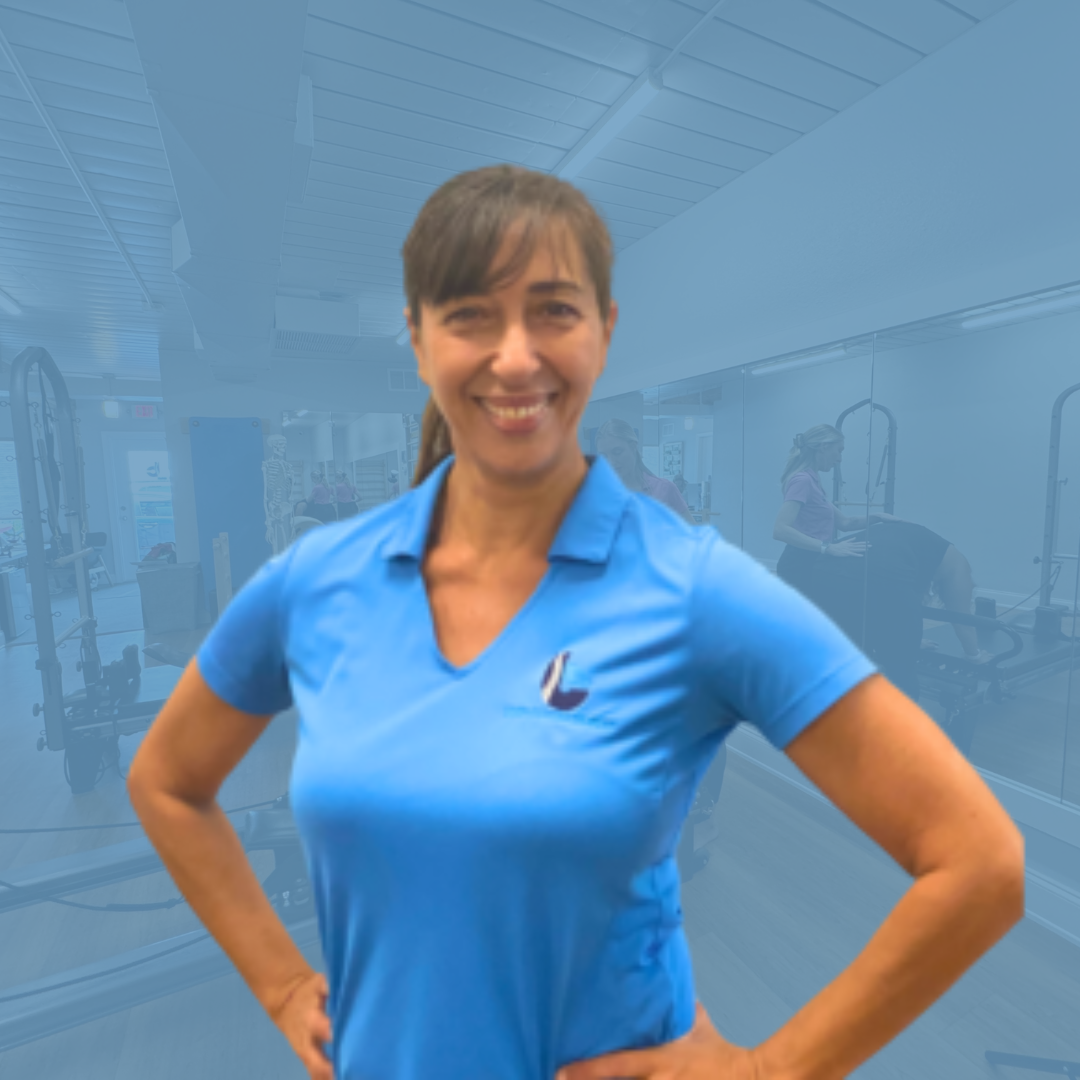
Shila Tirabassi LaGrua
Shila’s journey into the healing arts began with a deep passion for movement as an internationally touring professional modern dancer. A graduate of the Juilliard School in NYC, Shila had the privilege of performing and directing with renowned companies and choreographers, including Merce Cunningham, Lar Lubovitch, Martha Graham, Robert Battle, and Stephen Petronio.
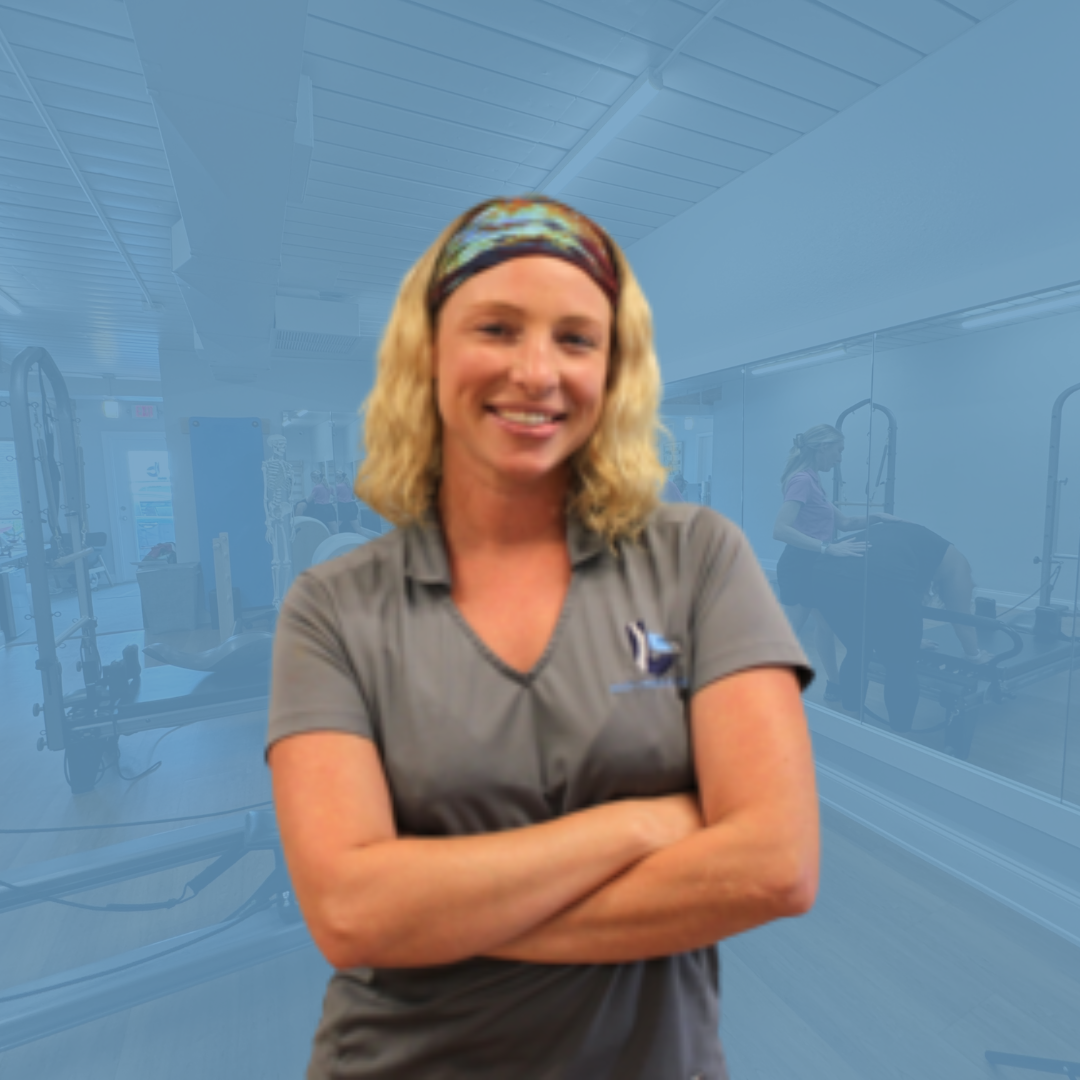
Alyson Ballow
Alyson is a LMT, CNS, RYT-300 and has received her AFAA certification in Group Fitness Training. She has continued education and certifications for Community Yoga Outreach, The Art of One-on-One, and AcroYoga, both Lunar Therapeutics and Solar Acrobatics. She graduated in June 2014 from Warrior One Yoga (Orlando, FL) and in August 2022 from the Center for Neurosomatic Studies (Largo, FL).
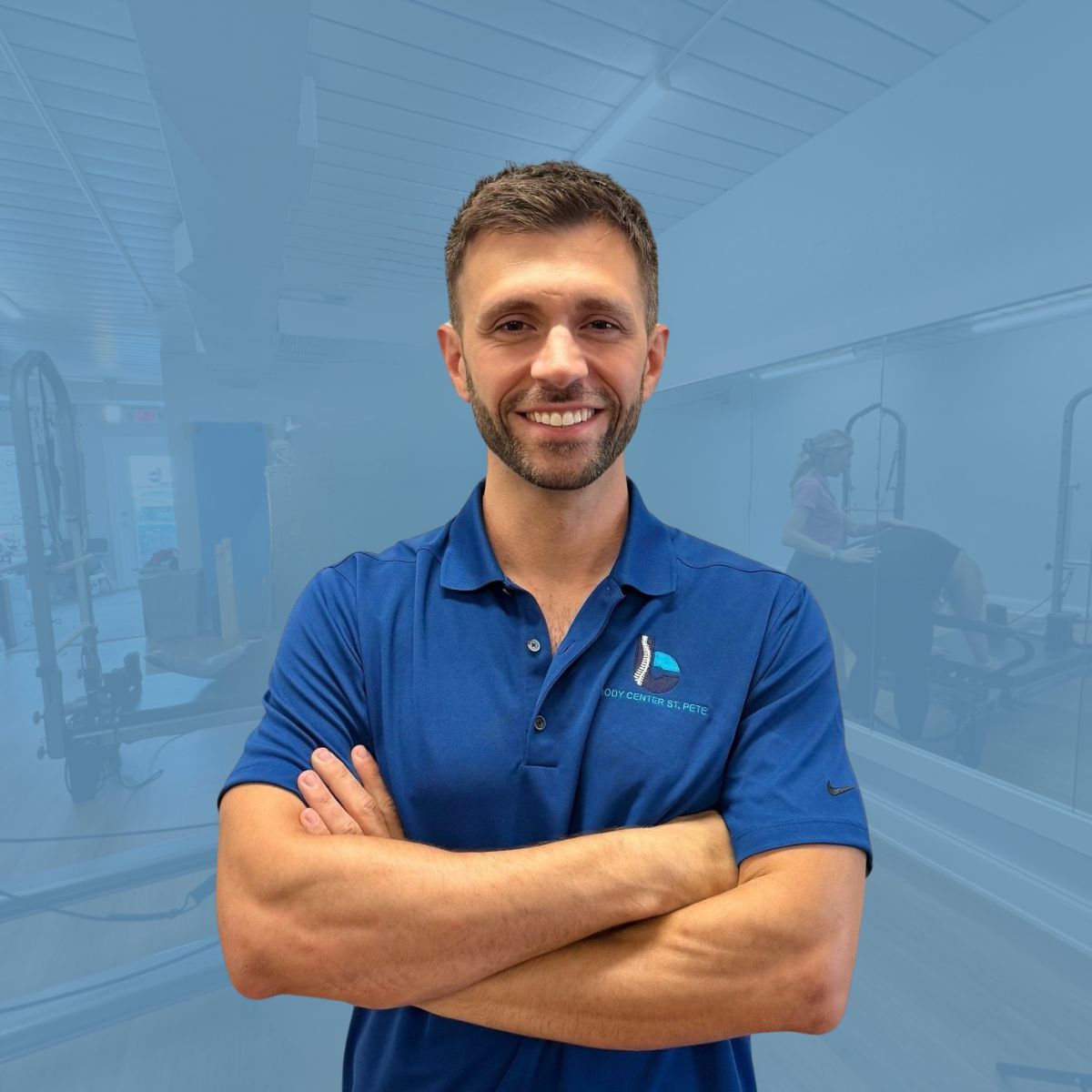
Adam Fields
Adam’s professional journey began in the world of nursing, where he first became a Registered Nurse. His early career gave him invaluable insight into the Western medical system, working with patients in various settings—from dementia care and acute rehabilitation to the fast-paced environment of the ER.
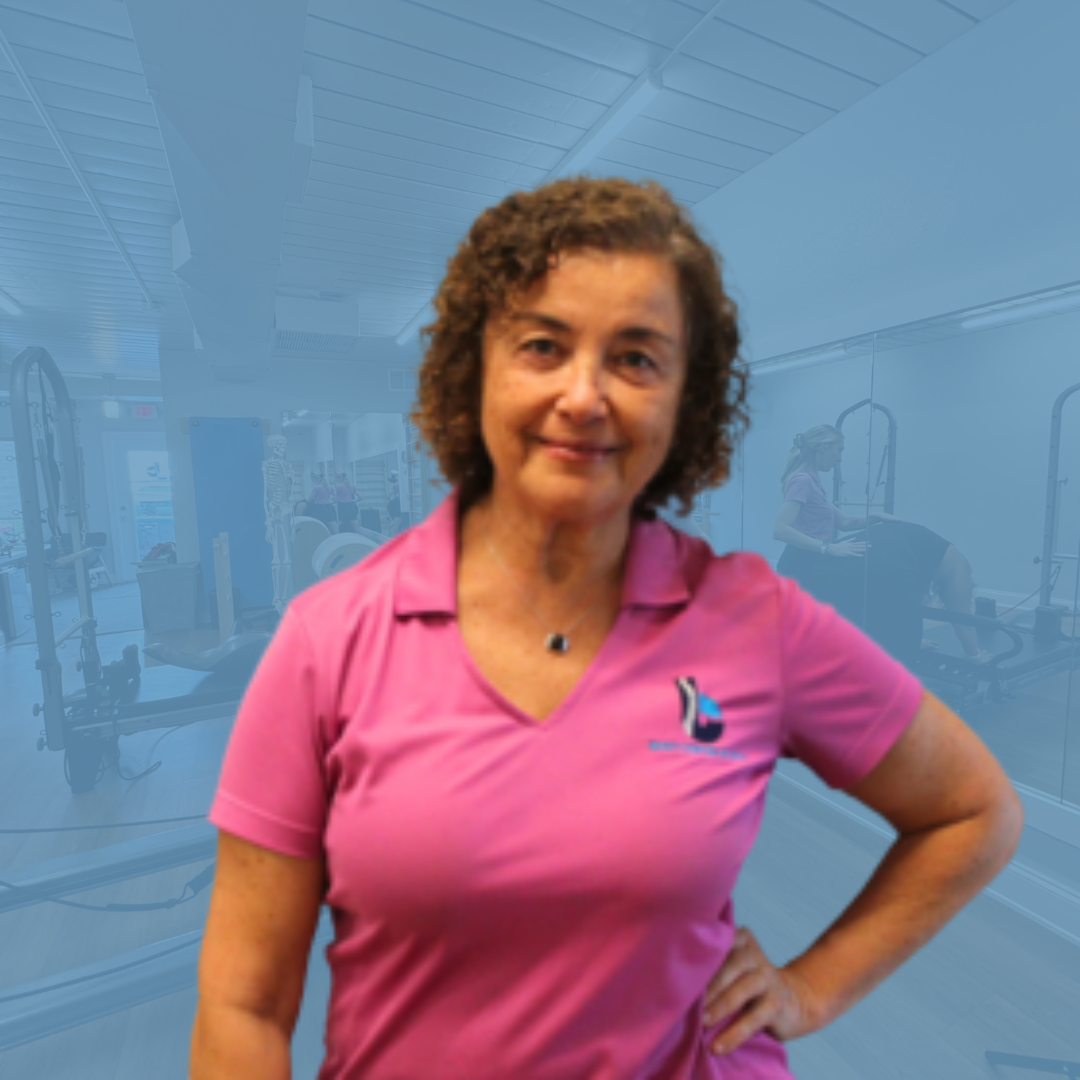
Brunella Lucchi
Brunella Lucchi, originally from Italy, has built an impressive career in manual therapy, driven by her passion for helping clients overcome pain and restore balance. After studying foreign languages and literature at the University of Bologna, Brunella’s pursuit of knowledge led her to the United States in 1991, where she discovered her passion for manual therapy and soft tissue treatments.
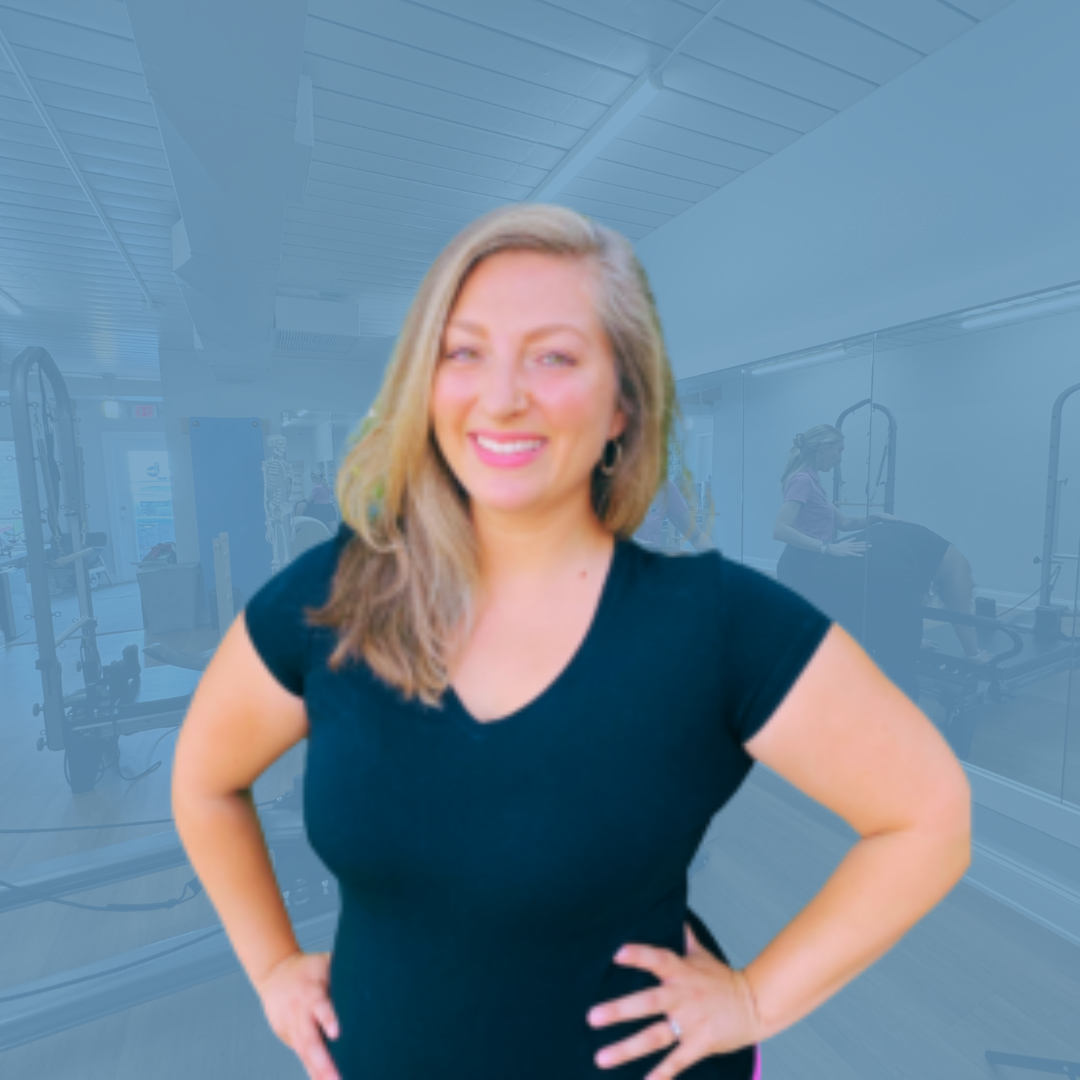
Delfina Bonilla-Lopez
Delfina Bonilla-Lopez, LMT, CNS, RYT-200, YTU, CPT, is a passionate bodywork specialist and dedicated advocate for the body’s innate capacity for restoration. With a lifelong love of athleticism and movement, Delfina is committed to helping her clients rediscover their body’s natural potential through Neurosomatic Therapy, corrective exercise, and a range of holistic techniques.
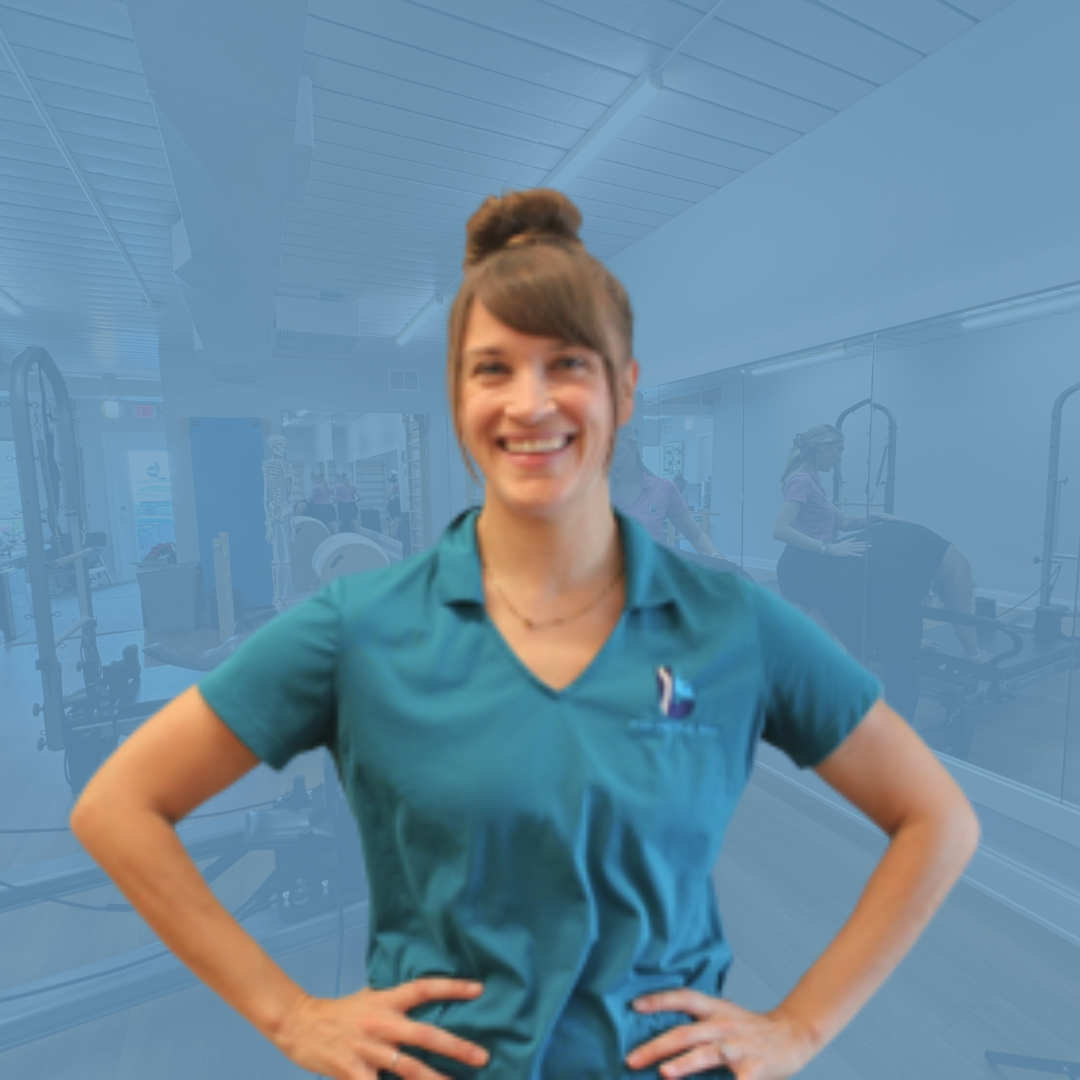
Heidi Brewer
Heidi Brewer, a native of the Pacific Northwest and University of Washington alum, has been a dedicated dance artist and movement specialist in Seattle, NYC, and LA since 2001. She is a Certified Pilates Instructor through the Kane School and Kinected in NYC, where she also serves as the Communications Director. At Body Center St. Pete, Heidi is a Pilates Instructor, guiding clients in achieving optimal alignment and movement and Kane School Teacher Trainer, teaching the Pilates Method to future instructors.
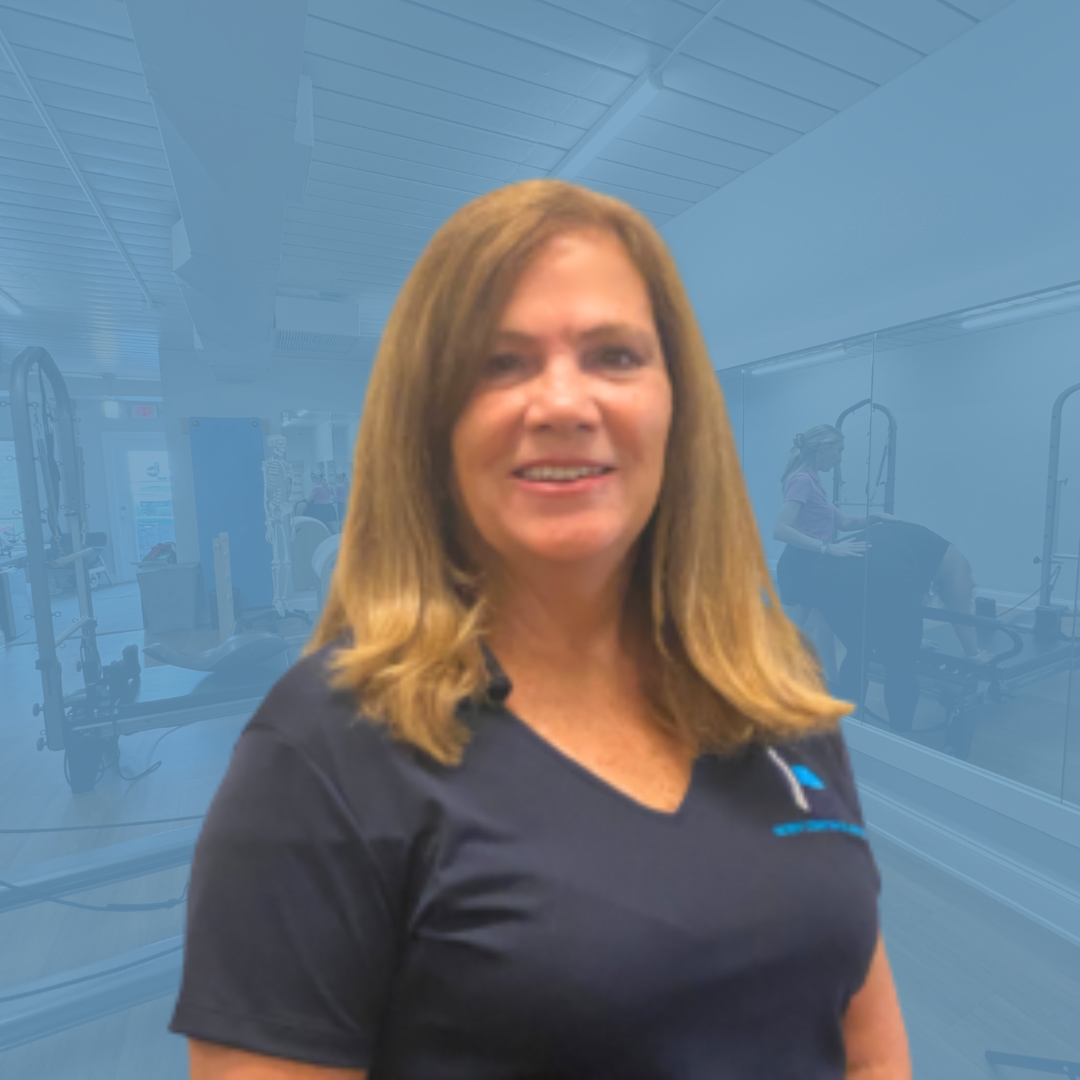
Martha Spalding
Martha Spalding, PT, IMT, NTP, FLT, is an experienced Physical Therapist with over 30 years of expertise in Integrative Physical Therapy. After graduating from the Boston Conservatory with a BFA in Dance, Martha pursued a career in professional dance. However, after a career-ending injury, she shifted her focus to physical rehabilitation, earning her Physical Therapy degree from the University of Illinois in Chicago.
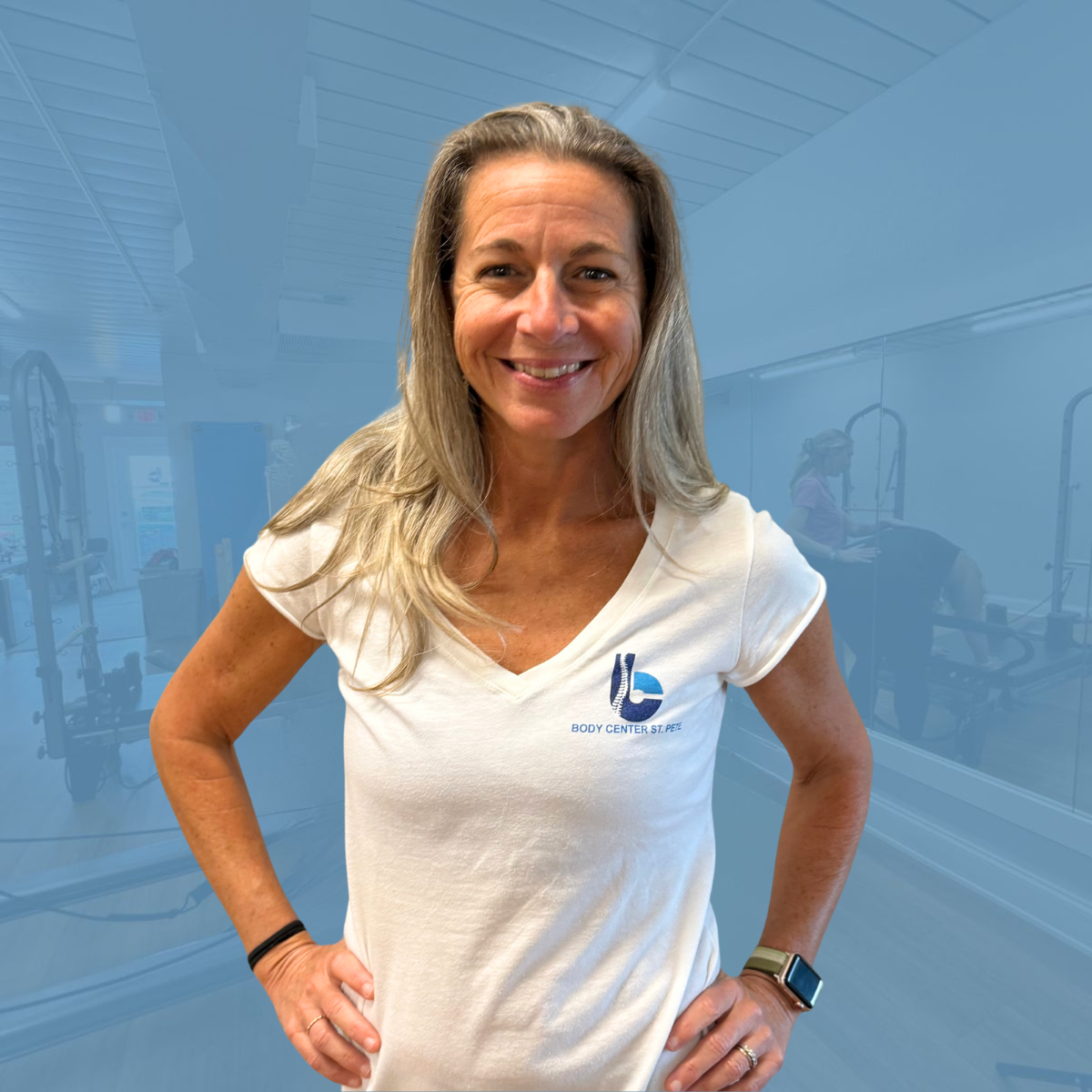
Sharon Ditata
Sharon’s passion for movement started with sports. Regular physical activity led her to find unique ways to train, strengthen, and prepare her body for physical challenges. In the ‘90s, she discovered Pilates, where she experienced the benefits of building core strength, structural stability, and mindful breathing. The practice stayed with her, and as her career took her across the country, her Pilates routine followed.
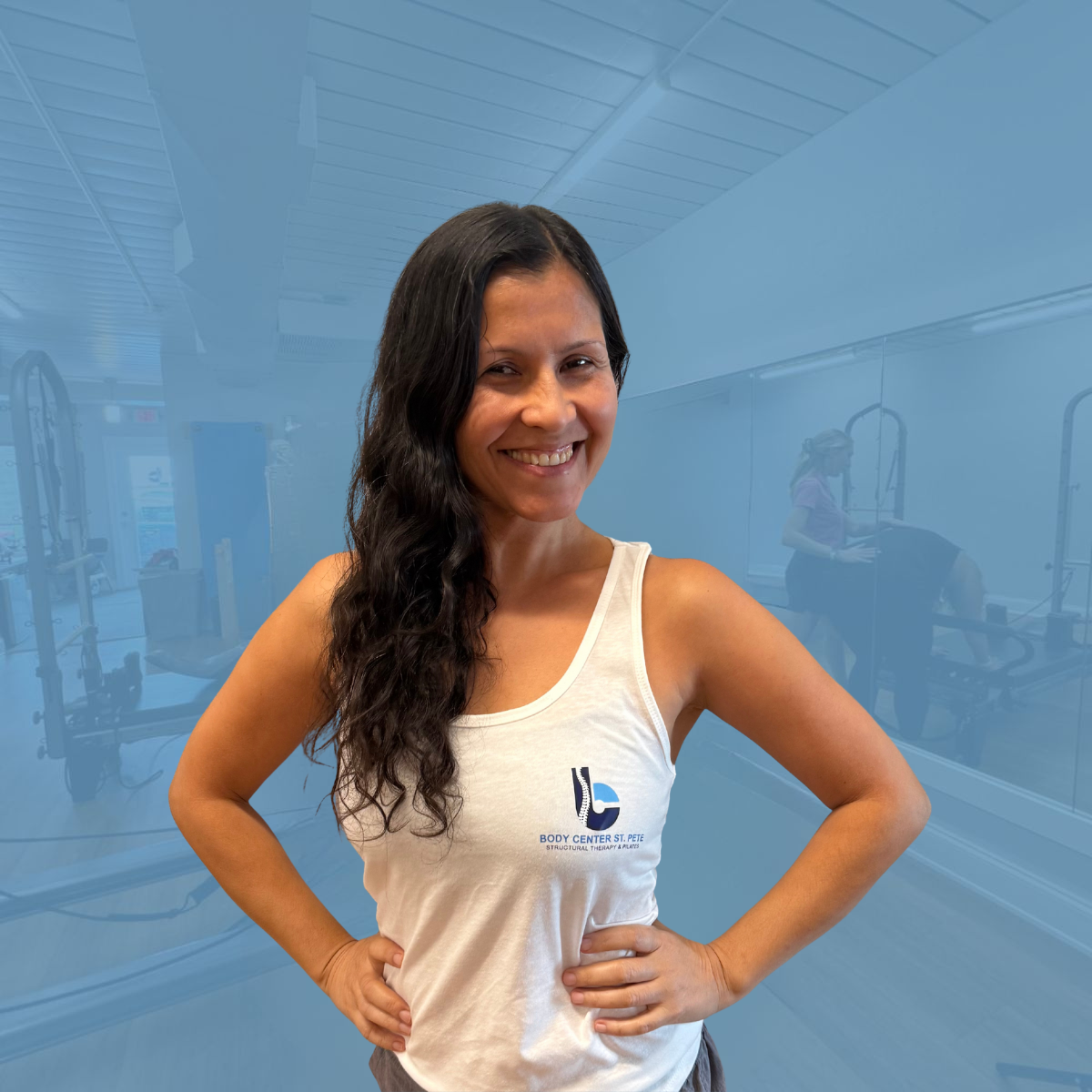
Chemen Hudikowa Handel
Chemen’s journey began in Turkmenistan, where her passion for movement, music, and culture first took root. With over nine years of teaching experience, she blends a wide range of practices—including yoga, Pilates, breathwork, and ceremony—into a style that is both grounding and expansive.
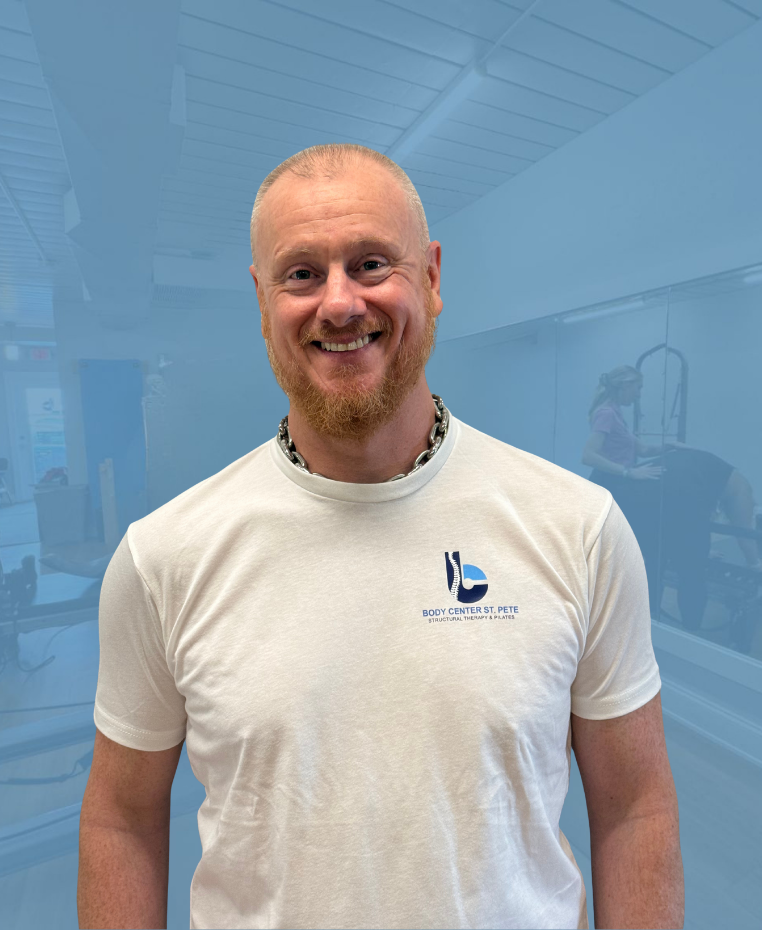
Jeremy Brown
Jeremy has been teaching movement—including martial arts, dance, and yoga—for over 30 years. In 2006, his own injuries led him to Pilates as a powerful tool for recovery and rehabilitation. Early in his Pilates career, Jeremy began collaborating with a pelvic floor physical therapist and working with post-rehab clients, many of whom were navigating chronic, long-standing pain. Through this work, he discovered that retraining efficient and effective core function was essential to meaningful, lasting progress.